A Rare Specimen
A Rare Specimen
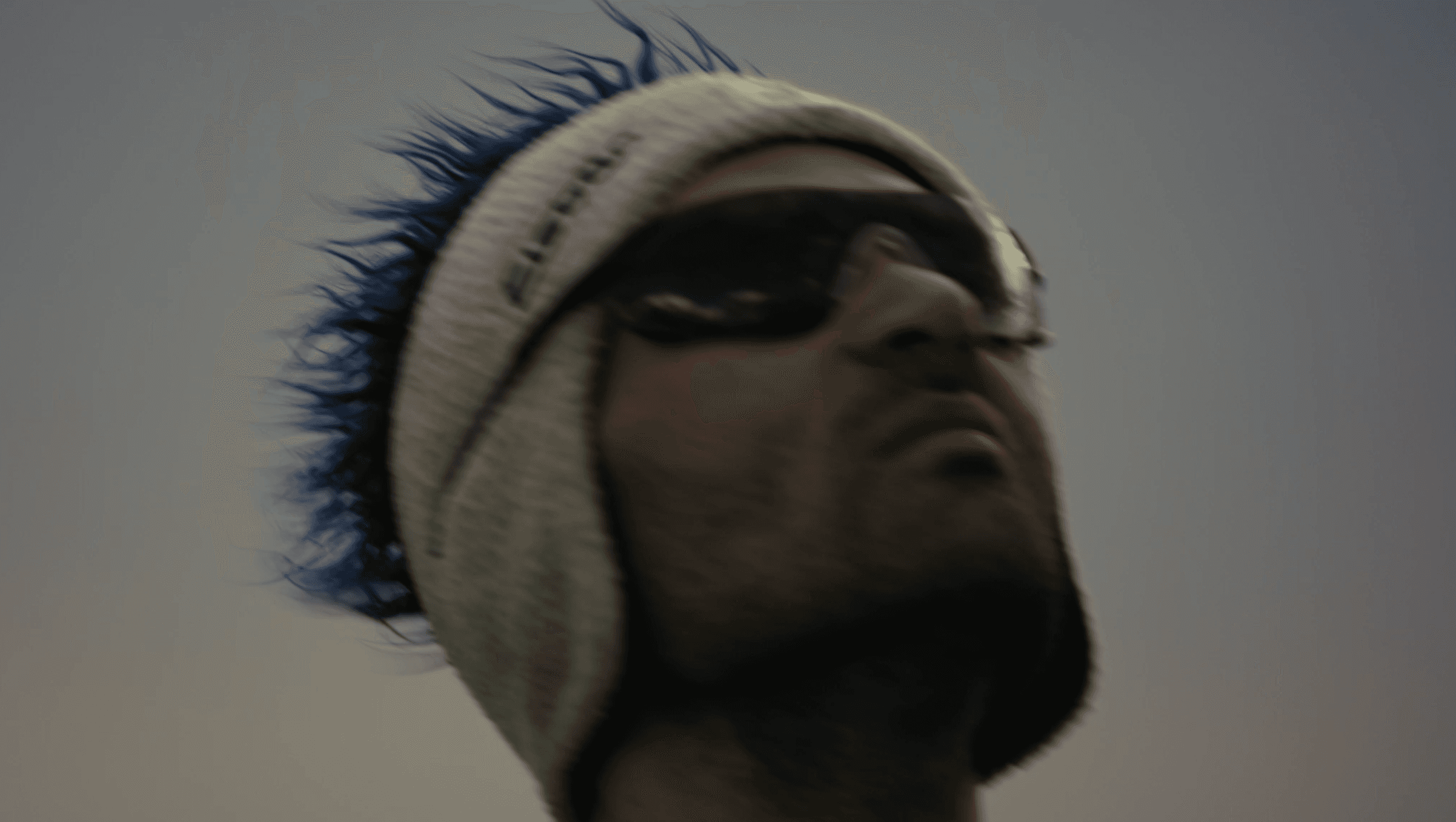
A Rare Specimen was conceived as the campaign film for Radura, Cardo’s first collection. More than a product film, it became an opportunity to reflect on identity, landscape and the quiet rituals that shape everyday life.
The original idea came from Edoardo Chiaraluce and was later developed by Gino Venezi. Production emerged naturally through a collaboration with ADP (A Desired Path), a newly formed collective bringing together several familiar names from the world of photography and moving images. The team includes the people behind Goofy Studio, photographer Giacomo Riccardi — who also authored the Radura campaign imagery — and designer Thomas Trenchard. Sound design and original music were created by musician and composer Jack Camilleri.
What made the process particularly meaningful was not only the range of expertise involved, but the way the work unfolded. Roles remained fluid, ideas moved freely, and everyone contributed beyond their own discipline. The film grew out of a genuine relationship of trust and friendship, with each person placing their skills at the service of a shared vision.

At its core, A Rare Specimen is a mockumentary. Borrowing the language of classic wildlife documentaries, the film follows what initially appears to be the observation of an unusual species. It soon becomes clear that the subject under investigation is, in fact, a human being: a rare specimen of what we jokingly came to define as Homo Appenninicus.
The role is played by Leonardo Maria Nanni, founder of Cardo, although “played” is perhaps the wrong word. The film was built around Leo’s actual relationship with the landscapes he inhabits. Accompanied by his dogs, he simply led us through places that are already part of his daily life. In many ways, the camera did little more than follow.
This decision shaped the entire film. For most of its duration, the product remains almost entirely absent. Only in the final moments do the socks themselves quietly appear — not as the centre of attention, but as part of a larger picture. That choice says something about Cardo itself. We are not particularly interested in persuading or competing for attention. We believe that objects, much like people, do not need to constantly explain themselves. They simply need to be clear about what they are.
By the end of the film, the narrator concludes that the Apennine man appears to require very little: a shelter, a sunset and a comfortable pair of Cardo socks. Perhaps that same observation contains something of Cardo’s broader outlook. Not a rejection of complexity, but a reminder that some of the things we value most have always been there, quietly waiting to be noticed.


share